
Weekly Devotional: 7th Sunday of Easter (Year A)
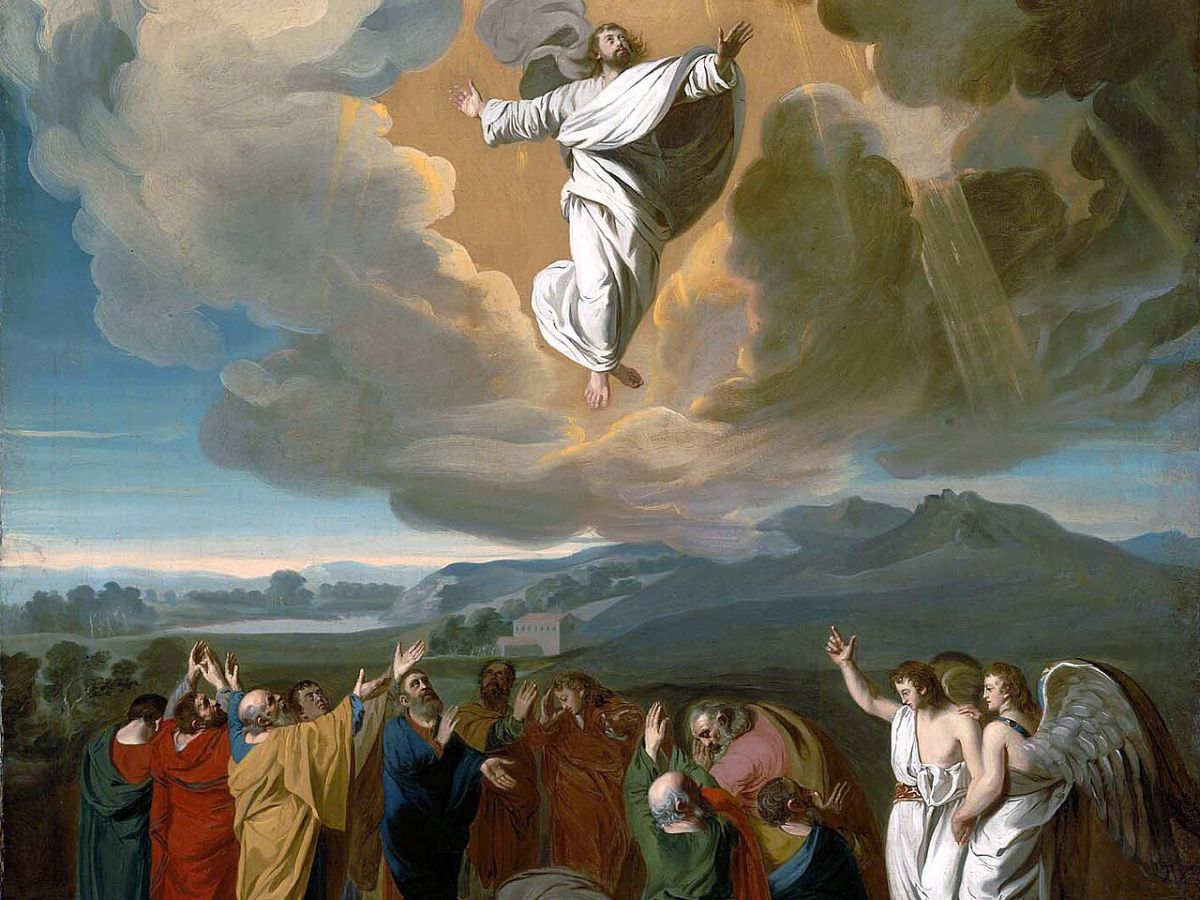
Today, we celebrate a profound mystery of our Faith: the Feast of the Ascension of Jesus into Heaven. This feast invites us to reflect on both the historical event and its enduring significance for our spiritual journey.
The Ascension is a cornerstone doctrine rooted in the Apostles’ Creed. It affirms that Jesus ascended bodily into divine glory and is seated at the right hand of the Father. Yet, it often raises questions: Why did Jesus leave, and what does this mean for us today? Let us explore the scriptural and doctrinal foundations of this feast to better understand Jesus’ glorious ascension and its implications for our lives.
A Look at the First Reading
The first reading provides a detailed account of Jesus’ Ascension. Luke emphasizes that Jesus appeared to the disciples over forty days following His resurrection, speaking about the Kingdom of God and preparing them for His departure. The Ascension occurs as Jesus is lifted up on a cloud while the disciples look upward, uncertain of the event’s meaning. The angels reassure them, saying Jesus will return in the same way He left.
Luke’s account highlights the significance of the forty days, representing a period of purification, transition, and preparation. During this time, Jesus strengthens the disciples’ faith and clarifies their understanding of the Kingdom, as they appear to anticipate an earthly restoration of Israel.
The cloud signifies divine presence. St. John Chrysostom explains that in the Old Testament, only God comes on the cloud, not angels or kings. Thus, Jesus’ ascension on the cloud affirms His divinity.
The Psalm
Psalm 47, selected for today’s celebration, is an enthronement psalm that proclaims God’s kingship over all the earth. It calls the people to rejoice and clap their hands, acknowledging that God reigns supreme and sits on His holy throne.
This psalm beautifully captures the essence of the Ascension. Jesus ascends into divine glory and takes His seat at the right hand of the Father as King over the universe. It proclaims that, through His death, resurrection, and ascension, Jesus has triumphed over all enemies and now reigns as the divine King of Heaven and Earth.
The Second Reading
Today’s second reading, from Ephesians deepens our understanding of the significance of the Ascension. St. Paul prays that believers may be granted wisdom and revelation to know Christ better, and he emphasizes that God raised Jesus from the dead and seated Him at His right hand in the heavenly places—far above all rule, authority, power, and dominion.
Aquinas, in his Commentary on Ephesians, writes:
“Setting him on His right hand, in Ephesians 1, refers to the second element of Christ’s exaltation. Considered in relation to God, he is seated at His right hand, but this is not to be thought of as a bodily organ, for God is spirit. But as a metaphorical way of speaking, when we say that Christ is seated at the right hand of God, it should be understood that, according to his humanity, he partakes of the Father’s choices and blessings. And according to his divinity, it is understood as equality with the Father.”
Aquinas explains that this doesn’t mean the heavenly Father has an actual physical right hand, because the heavenly Father is pure spirit. He, unlike the second person of the Trinity, did not assume a body; He is pure spirit. The image reveals that Christ, possessing a human body and bringing it into glory, fully shares in the divine authority of the heavenly Father. As man, He partakes in the Father’s blessings, and in His divinity, He is equal to the Father.
The Gospel
Although the Gospel reading from Matthew does not explicitly describe the Ascension, it contains the Great Commission. In this passage, Jesus instructs His disciples to make disciples of all nations, baptizing and teaching them. Matthew’s account connects to today’s feast through Jesus’ final promise: “I am with you always, to the close of the age.”
If Jesus promises to be with us always, why does He then ascend into Heaven? This question can be puzzling, but St. Thomas Aquinas offers three reasons for Jesus’ Ascension:
- First, the Ascension strengthens our faith by encouraging trust in unseen realities, allowing us to receive the blessing reserved for those who believe without seeing.
- Second, the Ascension gives us hope by demonstrating that Jesus takes His human nature to heaven, revealing our ultimate destiny. Christ returns to His Father’s house to prepare a place for us, so that He may come again and bring us to dwell with Him eternally.
- Third, the Ascension directs our love toward heavenly realities, encouraging us to seek eternal happiness in heaven rather than in temporary worldly pursuits.
Finally, the Ascension marks Jesus’ bodily entry into divine glory and prepares for Pentecost, when the Holy Spirit is poured out upon the disciples.
Connecting the Readings
Taken together, these readings present a cohesive narrative. Following His resurrection, Jesus spends forty days teaching and preparing His disciples. He then ascends in glory, seated at the right hand of the Father, signifying His divine kingship over the world and the universe.
The Psalm celebrates His enthronement, while the second reading affirms His identity as both fully human and fully divine, seated at the right hand of the Father as King over all creation. The Ascension demonstrates that Jesus, as both fully man and fully God, already reigns in heaven from the right hand of the Father, from which He will return to judge the living and the dead. This is what we mean when we make that profession of faith in the creed.
The Gospel encourages us to continue His mission, assured of His perpetual presence through the Spirit.
The Ascension is not an end but a transition. Jesus leaves His disciples in the world and then sends the Holy Spirit to dwell within them. This divine presence empowers them to continue His mission until He returns.
Application to Our Daily Lives
What does the Ascension mean for us today?
First, it reminds us that Jesus is truly divine, reigning in glory over all creation. Second, His ascension invites us to lift our hearts to heaven, recognizing our true home and destiny. Third, it encourages us to trust in His promise of perpetual presence through the Holy Spirit, who guides and strengthens us each day.
Just as the Apostles devoted themselves to nine days of prayer, we too are called to deepen our prayer in preparation for the feast of Pentecost. This practice forms the biblical foundation for the custom of praying a novena, particularly the novena to the Holy Spirit.
The Ascension challenges us to shift our focus from earthly concerns to heavenly realities, fostering hope and love rooted in eternal life.
Living in light of this truth means trusting in His sovereignty in our struggles and striving to grow in holiness.
Key Takeaways
1. The Ascension affirms Jesus’ divine kingship and bodily glory.
2. The forty days after resurrection symbolize purification, transition, and preparation.
3. The cloud signifies Jesus’ divinity.
4. Jesus does not abandon us; instead, He promises the Holy Spirit to guide us after His departure.
5. Our ultimate hope is to follow Christ into divine glory, where He reigns as King.
6. Prayer and anticipation, like the apostles’ nine days of devotion, prepare us for the outpouring of the Holy Spirit.
Final Thoughts
The Feast of the Ascension calls us to lift our minds and hearts to the divine reality that Jesus, in His glorious body, reigns in heaven. This feast reminds us that our journey does not end here but leads toward eternal union with God. As we await Pentecost, let us imitate the apostles’ prayerful anticipation, trusting that Jesus’ promise to be with us always is fulfilled through the Holy Spirit and the Eucharist.
May this feast deepen our faith, renew our hope, and inspire our love for Christ, our King and Savior.