
Weekly Devotional: The 15th Sunday of Ordinary Time (Year A)
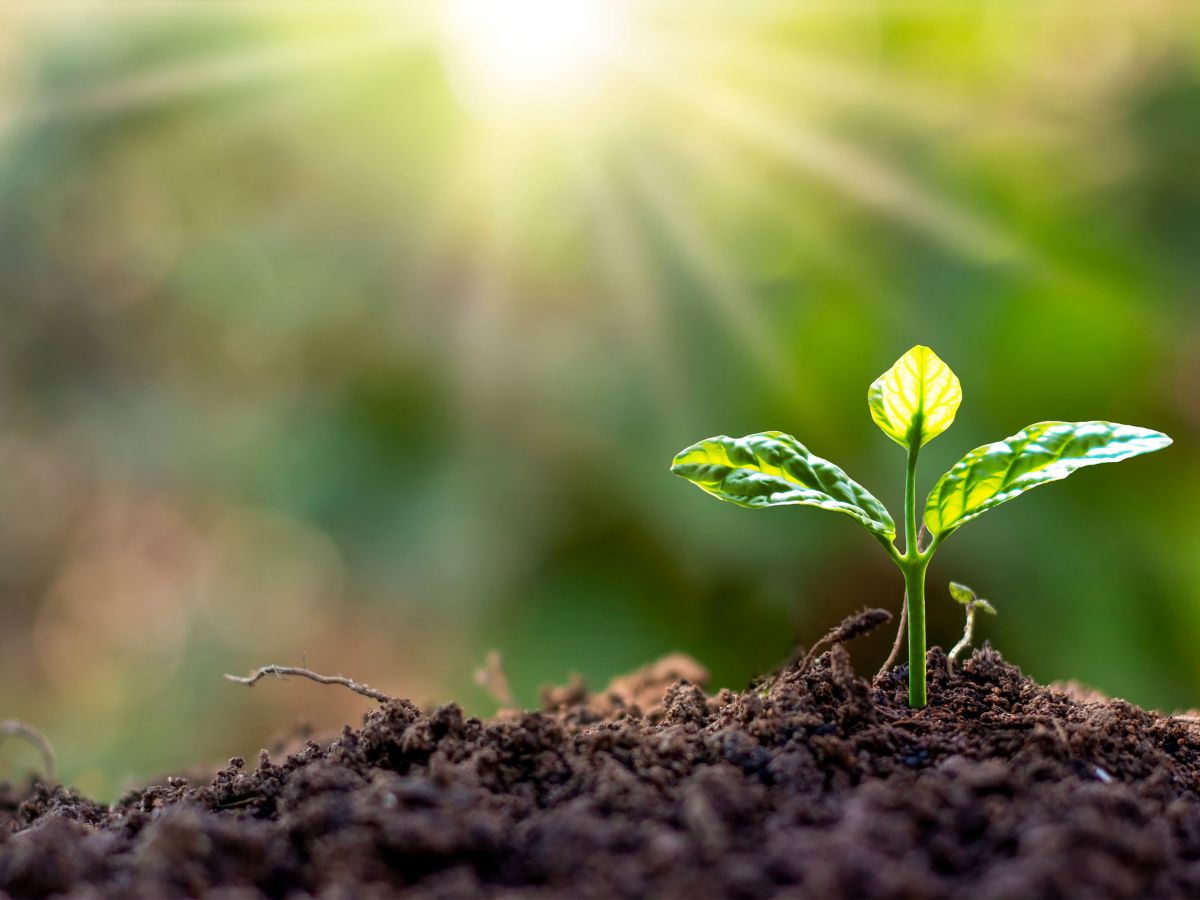
This Sunday, we are invited to pause and reflect on the mystery of the Kingdom, and how we receive and respond to God’s Word. Through His parables, Jesus shows us that sowing seeds in our hearts requires deep openness of mind to truly understand the mysteries of the Kingdom.
As we listen to the parable of the sower and the other readings, let us examine our own hearts and consider how we might prepare the soil of our lives to bear fruit for God’s Kingdom.
A Look at the First Reading
The prophet Isaiah offers us a beautiful image: God’s Word is like rain and snow that water the earth, causing seeds to sprout and crops to flourish. This reminds us that God’s Word is not only powerful but also unfailingly effective. Just as rain brings life to the soil, so too does God’s Word bring life to our hearts when we receive it with faith and openness.
The Psalm
Today’s Psalm continues this theme of divine providence and fruitfulness, celebrating God’s gift of rain and the abundance of the earth, which results in a fruitful harvest.
For the first-century Jewish audience, this imagery of crops and harvest was a visible sign of God’s blessing. For us, it serves as a reminder that when we welcome God’s Word into the good soil of our hearts, our lives, too, can yield a rich harvest of grace and goodness.
The Second Reading
St. Paul begins by acknowledging the reality of suffering in our world, yet he quickly turns our gaze toward the incomparable glory that God has prepared for us.
“I consider that the sufferings of this present time are not worth comparing with the glory that is to be revealed to us.” (Romans 8:18)
This opening verse challenges us to evaluate our perspective on hardship. Often, suffering feels overwhelming, and it’s easy to become discouraged or distracted. But Paul reminds us that compared to the future glory—God’s ultimate plan for creation and humanity—these hardships are temporary and insignificant. They are but a moment in the grand narrative of salvation history.
Paul then personifies creation as eagerly awaiting its own liberation, describing it as waiting “with eager longing for the revealing of the sons of God” (Romans 8:19). Think of creation as a living, breathing entity that yearns for the day when it will be restored to its original beauty and goodness.
One of the most striking insights from Paul is his assertion that “the whole creation has been groaning in travail” (Romans 8:22). The imagery of childbirth pains vividly captures the suffering and anticipation involved in bringing new life into the world. Just as a woman in labor endures pain yet looks forward to the joy of new birth, creation endures its suffering in the hope of a glorious transformation.
This passage broadens our understanding of salvation—not just for humanity but for all creation. It’s a reminder that God’s plan encompasses the entire cosmos and that creation itself is yearning for the final ‘apokalypsis’, which is translated from Greek as the ‘unveiling’ or ‘revelation’ of God’s glorious new creation.
What does this mean for us? Salvation and resurrection are not only for humanity, but for the whole universe. When Christ returns and raises the dead, creation itself will participate in this new life. All that has been marked by sin and decay will be restored to its original goodness.
Here’s also an interesting quote from one of the early Church Fathers regarding the resurrection of the human body:
“And let no one of you say that this very flesh shall not be judged, nor rise again. Consider in what [state] you were saved, in what you received sight, if not while you were in this flesh. We must therefore preserve the flesh as the temple of God. For as you were called in the flesh, you shall also come [to be judged] in the flesh. As Christ the Lord who saved us, though He was first a Spirit became flesh, and thus called us, so shall we also receive the reward in this flesh. Let us therefore love one another, that we may all attain to the kingdom of God.” — Second Clement chapter 9 (c. A.D. 80)
The Gospel
Jesus begins His teaching by illustrating how different responses to God’s Word result in different outcomes. The sower, seemingly careless, scatters seed indiscriminately: on the path, on rocky ground, among thorns, and on rich soil.
The unexpected twist? The sower doesn’t restrict His seed to receptive hearts; instead, He generously sows everywhere.
The heart of this parable is the soil—our hearts. The seed, the Word of the Kingdom, may fall on many kinds of ground:
- The Path: Hardened hearts that do not understand or accept God’s Word.
- Rocky Ground: Shallow hearts that initially rejoice but falter under pressure.
- Among Thorns: Distracted hearts entangled in worries and pursuits of wealth, choking the Word.
- Good Soil: Open, receptive hearts that understand and bear abundant fruit.
Jesus reminds us that the fruitfulness of the seed depends on the condition of the soil—on how we respond to His Word.
Connecting the Readings
All these readings show us that God’s Word is powerful, that it needs an open heart to grow, and that creation is waiting for renewal. Isaiah and the psalm talk about God’s generous care, Paul explains how salvation includes all creation, and Jesus’ parable encourages us to make our hearts good soil.
Application to Our Daily Lives
This week, let us take time to reflect on the condition of the soil within our hearts.
Are there areas where sowing seeds in our hearts is currently struggling to take root, or places where God’s grace is already flourishing?
Our role is to cooperate with God’s grace, allowing His Word to take root and bear fruit in us.
Paul assures us that our suffering is temporary, and that the glory God has prepared for us is beyond our imagining.
This is a reminder that our faith is anchored in the hope of the glorious resurrection of our bodies and of the whole visible universe.
This hope sustains us in times of trial, encouraging us to persevere and remain steadfast. It invites us to look beyond present pain and to take part in God’s plan of renewal and redemption.
Key Takeaways
- God’s Word is powerful and effective—it will accomplish its purpose when received with faith.
- A receptive heart is like good soil, ready to produce abundant fruit.
- Worries and pursuits of wealth can choke the Word’s growth in us.
- God ‘scatters’ His Word generously to bring about the transformation of our hearts.
- Fruitfulness requires understanding. We ought to meditate on the Word regularly to deepen our grasp and allow it to grow.
- Our hope is rooted in the promise of a new heaven and earth where all creation shares in Christ’s glory.
- The entire universe is participating in this hope, not just humanity.
Final Thoughts
As we reflect on today’s readings, let us consider how this wider perspective might shape our daily lives.
Does our outlook on suffering shift when we remember that all creation is longing for renewal? Can we see our struggles as part of a greater story, one that is filled with the hope of resurrection of the body and new creation?
May our hearts become fertile ground for the seeds of God’s Word, so that we may bear abundant fruit for His glory.
As we await the full revelation of God’s Kingdom, let us strive to be receptive soil, allowing His Word to take root and flourish in us and in the world around us.
May God bless you on your journey this week.
Pax et bonum,
Michalina
I love diving into the Word with you! If you prefer to listen rather than read, I’ve put together a video version of this reflection to help you prep for Mass. You can click here to open it on YouTube, or watch it directly below.
Looking for more inspiration beyond the liturgy? Explore the main site for tips on faith, homemaking, intentional living, and more.