
Weekly Devotional: The 27th Sunday of Ordinary Time (Year A)
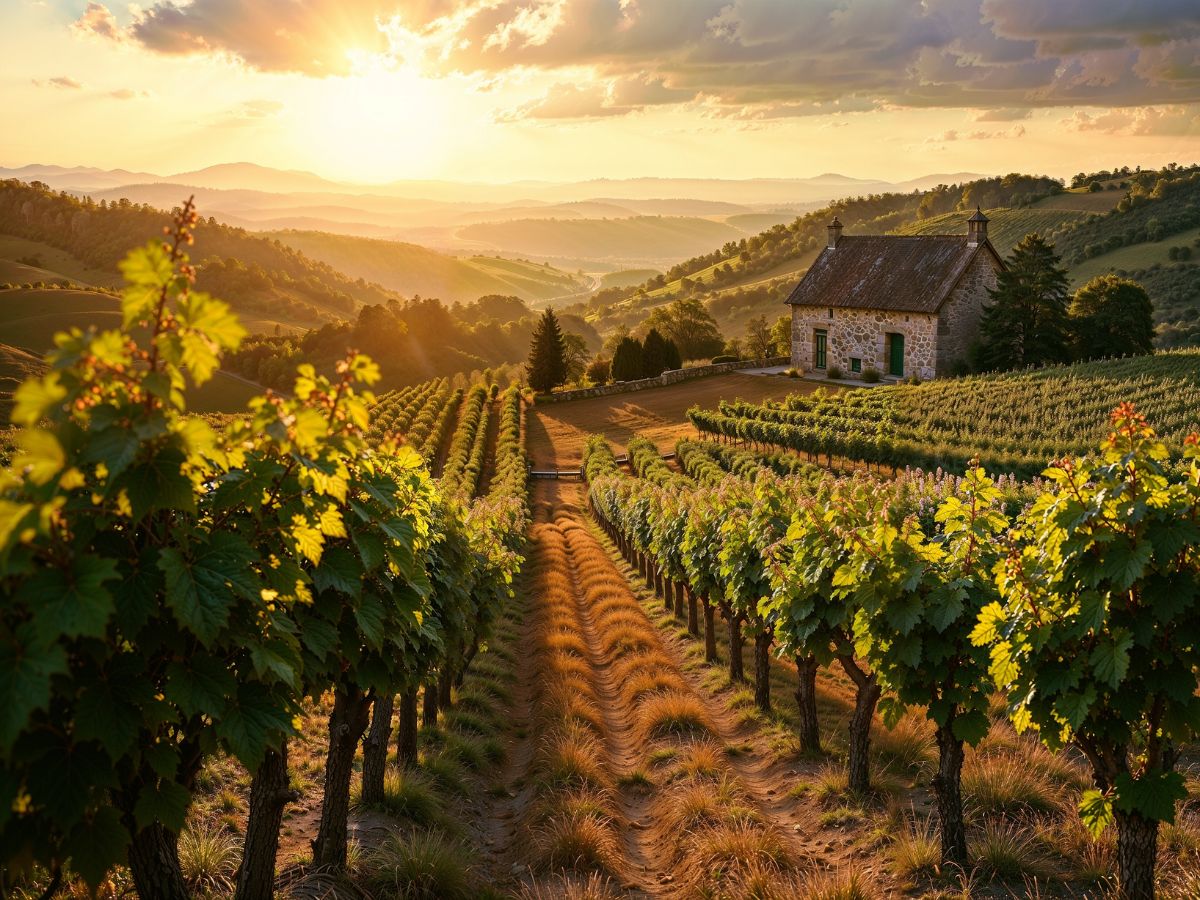
This Sunday, we are invited to consider the ways God reaches out to us with care, trust, and expectation. Scripture offers the image of the Lord’s vineyard, reminding us that God’s grace shapes our lives and calls us to bear fruit. As we listen to the readings, let us reflect on our relationship with the Lord and how we respond to his generosity, especially when faced with challenges and uncertainty.
A Look at the First Reading
In Isaiah’s “song of the vineyard,” God lovingly prepares a vineyard, planting it with choice vines and providing everything it needs to flourish. The vineyard represents the house of Israel, and the Lord expects it to bear good fruit. Instead, it produces “wild grapes”, which serve as a symbol of injustice and unrighteousness.
Isaiah’s image is both loving and sobering. God has cared for his people, yet the fruit they produce reveals that they have turned away from his ways. The Lord looks for justice and righteousness, but finds bloodshed and the cries of the oppressed.
This reading invites us to pause and consider the fruit of our own lives. God gives us gifts, opportunities, and grace. How are we using them? Do our choices reflect justice, compassion, and faithfulness?
The Psalm
Today’s Psalm is a prayer asking God to care for the vine he planted. It recalls Israel as a vine brought out of Egypt and asks the Lord to look upon it, protect it, and restore it.
The psalm’s plea, ‘Give us new life, and we will call upon your name,’ reminds us of our dependence on God for renewal. When we fall short or fail to bear good fruit, we are invited to turn back to him. God’s correction is never the end of the story; his mercy restores us and offers us a new beginning.
The Second Reading
In his letter to the Philippians, St. Paul encourages the community: “Have no anxiety about anything,” but bring everything to God in prayer and supplication, with thanksgiving.
Paul does not pretend that life is free from hardship. He writes from imprisonment, yet speaks of a peace that “surpasses all understanding.” His counsel is not simply to ask God for what we need, but to pray with gratitude, remembering the good God has already given us.
Saint Paul also encourages the Philippians to set their minds on what is true, honorable, just, pure, lovely, and worthy of praise. The things we choose to dwell on shape our hearts. By turning our attention to God’s goodness and the virtues we find in Christ, we open ourselves to a deeper peace.
The Gospel
In Matthew’s Gospel, Jesus tells the parable of a landowner who plants a vineyard, equips it, and entrusts it to tenants. When he sends servants to collect the harvest, the tenants beat, kill, or stone them. Finally, he sends his son, believing the tenants will respect him. Instead, they kill the son, hoping to seize the inheritance.
Jesus’ listeners would have recognized the Old Testament imagery. The vineyard recalls Isaiah’s song, while the servants represent the prophets God sent to call his people back to faithfulness. The son points to Jesus himself, who will be rejected and killed.
While the parable serves as a warning to the leaders of Jesus’ time, it also speaks to each of us. The vineyard is Lord’s, and we are entrusted with its care. We are called to bear the fruit of righteousness: lives shaped by love, justice, and fidelity.
Jesus also quotes Psalm 118: “The stone which the builders rejected has become the head of the corner.” Though rejected, Christ becomes the cornerstone of God’s work. The kingdom is entrusted to those who will bear its fruit.
Connecting the Readings
The image of the vineyard and the harvest connect the first reading, the Psalm, and the Gospel. God lovingly plants and tends his vineyard, desiring that it bear good fruit. Isaiah speaks of the sorrow when justice and righteousness are lacking, while Jesus warns of the consequences of rejecting God’s messengers and his Son.
The second reading offers us guidance for living faithfully in times of difficulty. Bearing good fruit does not mean we can control every circumstance or avoid suffering. Rather, it calls us to remain rooted in Christ, to bring our worries to God in prayer, to practice gratitude, and to choose what is good.
Taken together, these readings remind us that faith is both a gift we receive and a life we are called to live. We belong to Lord’s vineyard, and our task is to cultivate it with care and faithfulness.
Application to Our Daily Lives
Living an intentional life begins when we pause to examine the fruit of our choices and ask whether our daily words and actions are producing patience, mercy, justice, and love. We are called to remember that the vineyard ultimately belongs to God. Our talents, responsibilities, and communities are entrusted to us, not for our own purposes, but so that we might serve others and seek God’s will.
When anxiety arises, we are invited to bring it to prayer. We can speak honestly to God about what troubles us, while also making room for thanksgiving alongside our requests. Protecting our peace means being mindful of what we choose to dwell on. By actively limiting the constant stream of discouraging or harmful content around us, we create necessary space to focus on Scripture, prayer, and all that is truly good.
Practicing gratitude can be especially challenging during seasons of difficulty. While we may not feel naturally thankful for every hardship we encounter, we can always ask God to remain close and trust that he will bring forth good from what we endure. Our focus, above all, is to stay close to Christ, our cornerstone and the source of the strength we need to bear lasting fruit.
Key Takeaways
- Lord’s vineyard is entrusted to us; it is not ours to own.
- Faith bears fruit in justice, mercy, and righteousness.
- Christ, though rejected, is the cornerstone.
- Prayer and thanksgiving open our hearts to God’s peace.
- What we choose to dwell on shapes our inner life.
- Even in hardship, we can remain rooted in Christ.
Final Thoughts
The parable of the wicked tenants offers a sober reminder that God desires our lives to bear fruit. Yet even when we fall short, the rejected stone becomes the cornerstone, and the Lord continues to call us back to himself.
When anxiety weighs on us, St. Paul points us toward prayer, thanksgiving, and attention to what is good.
May we care faithfully for the Lord’s vineyard entrusted to us, bear the fruit of righteousness, and open our hearts to the peace that comes from remaining in Christ.
Pax et bonum,
Michalina
I love diving into the Word with you! If you prefer to listen rather than read, I’ve put together a video version of this reflection to help you prep for Mass. You can click here to open it on YouTube, or watch it directly below.
Looking for more inspiration beyond the liturgy? Explore the main site for tips on faith, homemaking, intentional living, and more.