
Weekly Devotional: The 11th Sunday of Ordinary Time (Year A)
This week’s readings invite us to reflect on Jesus’ mission discourse, the gift of friendship with God, and our call to respond. As we journey through the Gospel of Matthew, we witness Jesus calling His disciples to share in His mission, which is rooted in compassion, leadership, and a deep desire to gather God’s people.
Let us consider together how these themes connect to our daily lives, especially the call to reconciliation with God, which stands at the heart of our faith.
A Look at the First Reading
In the Old Testament, God calls to Moses at Mount Sinai, reminding the people of Israel who they are. He says, “You shall be to me a kingdom of priests and a holy nation.” By calling them a “kingdom of priests,” God designates Israel as the liturgical mediator for the entire human race.
Just as a priest serves to bridge the gap between God and the people, Israel was intended to be the spiritual “firstborn son” whose mission was to lead all other nations into the worship of the one true God.
This passage highlights the beautiful, unfolding continuity between God’s covenantal relationship with the Old Israel and the New Israel: the Church.
These words remind us that God’s chosen people are called to be holy, meaning set apart for God, to worship Him, and to lead others to Him.
The Church fulfills the vocation first given to Israel at Sinai. As members of the Church, we are entrusted with the liturgical responsibility of bringing the light of Christ and the sacrifice of the Mass to all nations.
The Psalm
Today’s Psalm beautifully echoes the image of God as our Shepherd and His people as His flock. It reminds us that we belong to Him, and our response is one of joyful praise.
We are called to serve Him with gladness, trusting that we belong to His flock and are lovingly cared for by the Good Shepherd.
The Second Reading
St. Paul offers a powerful reflection on God’s immense love. He reminds us that Christ died for us while we were still sinners, while we were helpless and unworthy.
Catholic theology teaches that God exists in an “eternal now.” Because God is outside of time, He knows every one of our sins—past, present, and future—not merely as a sequence of events, but as a total reality.
God, possessing perfect knowledge of our sins, chose to save us nonetheless. Christ’s death is the ultimate invitation to respond to a love that knows our worst, yet still chooses to offer us the best: Himself.
This demonstrates that God’s love is unconditional and sacrificial (agape from Greek). Because Christ’s death reconciles us to God, we are no longer enemies but friends, called into a life of peace and joy.
God’s love is not a reaction to our merit, but a free and eternal choice. This love invites us to move from self-reliance to humble gratitude, recognizing that our lives are a continual response to God who knew exactly who we were, and who we would become, and still decided to die on the Cross for us.
We need to remember that our salvation is rooted in this divine act of love. An act that transforms us and restores our friendship with God.
The Gospel
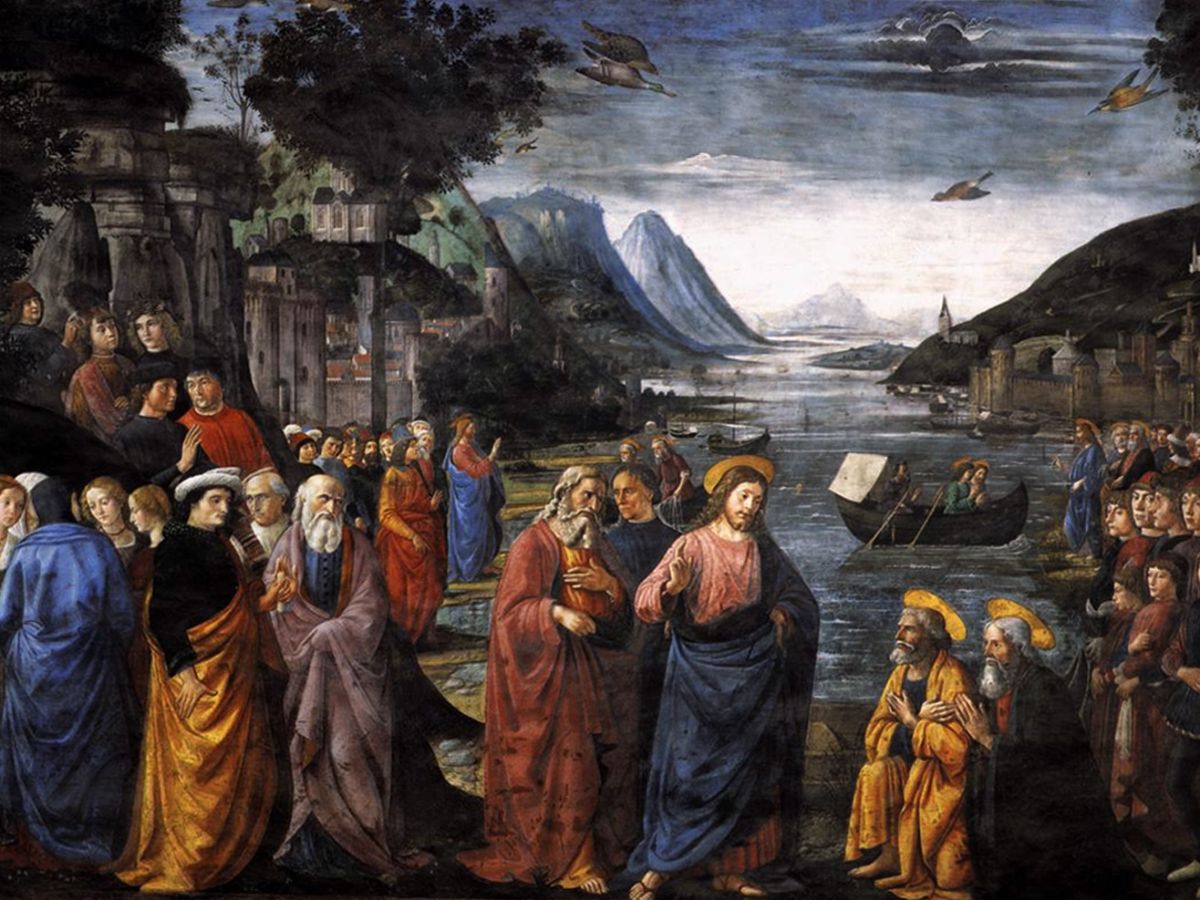
In Matthew’s Gospel, Jesus sees the crowds as “sheep without a shepherd” and feels compassion for them. He calls His disciples to be shepherds: to lead, heal, and serve.
He commissions the Twelve to proclaim the kingdom of heaven, heal the sick, and cast out demons. Their mission begins with Israel, emphasizing that God’s plan is first for His chosen people, but it ultimately extends to all nations.
Jesus entrusts His authority to the apostles, making them shepherds sent by the One Shepherd, the supreme Shepherd, Himself.
Connecting the Readings
These passages beautifully intertwine themes of leadership, compassion, and divine love. Jesus’ compassion for the crowds reflects God’s love for His people in the Old Testament.
The call to the Twelve as shepherds echoes the Old Testament’s image of Israel as a kingdom of priests; a nation set apart to worship and lead others to God. Their mission begins with Israel, emphasizing the importance of reaching the lost sheep of the House of Israel first, and then, after the Resurrection, extending the message to all nations.
Above all, these readings remind us that our lives and ministry are grounded in love and reconciliation. Because Christ loved us first, we are called to love others and to seek reconciliation with God and with one another.
Application to Our Daily Lives
Christ’s mission to heal, serve, and lead begins in our hearts. How might we show compassion to those around us, especially those who feel lost or burdened?
In what ways can we be shepherds within our families, communities, and workplaces?
St. Paul reminds us that Christ died for us while we were still sinners. In the same way, we are called to forgive and to seek forgiveness. If we find ourselves distant from God, the Sacrament of Reconciliation offers a powerful way to restore our friendship with Him.
Let us remember that the gift of friendship with God is one of the most precious gifts we have received. Each day, we are invited to live in His love, peace, and joy.
Key Takeaways
- God’s love is unconditional: He loved us even when we were still sinners.
- Reconciliation restores our friendship with God—it’s essential for true peace and joy.
- We are called to be shepherds—to lead others to God with compassion and service.
- The mission begins with those closest to us—our family, community, and church.
- Living as a “kingdom of priests” means worshiping God and leading others to Him through our actions.
- Reaching others extends beyond words—it’s demonstrated through acts.
Final Thoughts
This week, let us take time to reflect on how Jesus’ compassion led Him to send His disciples on a mission of love and healing. We too are called to be shepherds, leaders, and servants within our families and communities, sharing Christ’s love through our actions.
Above all, let us remember that reconciliation with God is always available to us, and it is the key to living with true joy and peace.
If you distanced yourself from God recently because of sin, remember that you can restore that friendship through the Sacrament of Reconciliation.
Please know that our heavenly Father is waiting for you, ready to embrace you with the love He has always had for you.
Let us walk together in His love, serving others as Jesus did, and trusting in the divine mercy that makes all things new.
Pax et bonum,
Michalina
I love diving into the Word with you! If you prefer to listen rather than read, I’ve put together a video version of this reflection to help you prep for Mass. You can click here to open it on YouTube, or watch it directly below.
Looking for more inspiration beyond the liturgy? Check out my full archives here for tips on faith, homemaking, and intentional living.