

In a society that often equates masculinity with stoicism and emotional strength, many men bear silent burdens. They are told to be strong, to endure, to “toughen up,” and to hide their struggles behind a mask of resilience. Yet, beneath that façade, countless men wrestle with fears, sadness, anxiety, or depression—often feeling isolated and misunderstood. Supporting them in overcoming emotional silence is essential for their mental health and overall well-being.
The Sacred Calling to Support Men
As women—whether wives, fiancées, sisters, or friends—we have a sacred calling to create an environment where men feel safe to open their hearts and share their struggles. This isn’t simply about words or actions; it’s about embodying Christ’s love through patience, humility, prayer, and unwavering support.
Having seen firsthand how mental health struggles can go unnoticed or unspoken, especially in loved ones close to me, I am convinced that we can be the “tower”—the refuge and support—that our loved ones need in their most vulnerable moments, rooted in the love of Christ.

Understanding the Challenge: Why Men Struggle to Open Up
Many men find it profoundly difficult to express vulnerability
Society’s expectations—imprinted from childhood—often teach boys that masculinity equals emotional suppression, independence, and resilience. These ingrained beliefs can cause men to see vulnerability as a weakness rather than a strength.
As a result, many men hide their true feelings, fearing judgment or rejection if they reveal their struggles. Recognizing this helps us approach them with patience and compassion, understanding that their silence is rooted in deeply held cultural messages.
When I began noticing my husband wasn’t himself, I knew I had to gently approach him. Asking how he felt—beyond just physical health—was a small step, but often met with guarded responses. I understood that societal and media influences had deeply ingrained fears of judgment or rejection in him.
As Saint John Paul II said,
”The strength of a man lies in his humility and trust in Christ.”
Recognizing these external pressures allows us to gently challenge harmful stereotypes and encourage authentic emotional expression rooted in faith.
The Influence of Culture and Media
Modern culture, especially through social media, often promotes unrealistic standards of masculinity—glorifying toughness, emotional suppression, and dominance.
While discipline and resilience are virtues, they must be balanced with humility, compassion, and vulnerability, which are equally Christian virtues.
Some influencers and celebrities promote a distorted view of masculinity that discourages emotional openness. As Catholics, we know that true strength comes from humility and reliance on God’s grace.
Saint Padre Pio once said, “Pray, hope, and don’t worry,” reminding us that surrendering our fears and struggles to God is the pathway to true peace.

Setting the Stage for Authenticity and Grace-Filled Conversations
As women and, we are called to foster an environment rooted in Christ’s love—one of patience, kindness, and prayer. Here are some ways to support the men in your life.
Practice Patience and Gentle Inquiry
Instead of demanding answers, gently ask, “How are you really feeling today?” or “Is there anything on your mind you’d like to share?” Remember, the Lord calls us to be patient, as Saint Monica’s persistent prayers for her son, Saint Augustine, teach us.
Model Vulnerability and Trust in God
Share your own struggles and feelings in appropriate ways. One of the most important steps in helping men overcome emotional silence is creating a safe space for open dialogue.
Saint Therese of Lisieux said,
“Our Lord does not look so much at the greatness of our works, or even at their difficulty, as at the love with which we do them.”
By showing your trust in God’s love, you encourage others to do the same.
Pray Together
Prayer is a powerful tool for healing and trust. Invite him to pray with you or pray for him silently. Saint Thérèse again reminds us,
“For me, prayer is a surge of the heart; it is a simple look turned toward Heaven, it is a cry of recognition and love, embracing both trial and joy.”
Avoid Judgment and Criticism
When he opens up, listen with patience and compassion. Validate his feelings and remind him of his worth in Christ’s eyes.
Saint Francis de Sales’ words come to mind:
“Have patience with all things, but first of all with yourself.”
Encourage Seeking Professional Help with Faith
Support him in seeking help from a trusted counselor or therapist—preferably one who respects Catholic teachings. The Church recognizes mental health as integral to our well-being, and seeking help is a sign of strength, not weakness.
Be Present and Consistent
Trust builds over time. Be a steady presence—through small acts of kindness, listening ears, and prayer.
Saint Josemaría Escrivá said,
“Love the Cross and seek the Cross; be ready to suffer and to serve.”
These words are very difficult, but they reflect our call to trust in Christ in all circumstances.
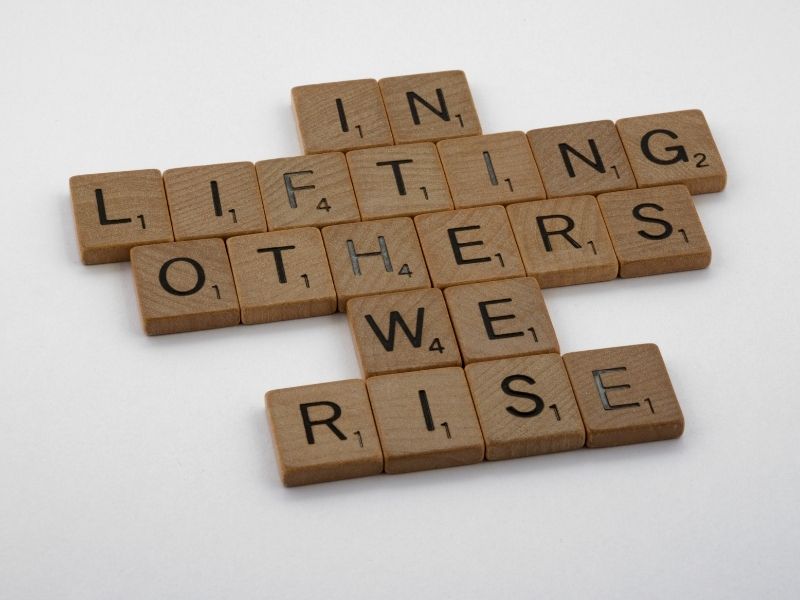
The Heart of Love and Patience Rooted in Christ
Creating a safe space for a man to be vulnerable is an act of charity rooted in Christ’s love—patience, humility, and unconditional acceptance. It involves trusting in God’s plan and praying fervently for His grace to soften hearts.
Remember, healing is a journey. Saint Francis of Assisi reminds us,
“Start by doing what is necessary; then do what is possible; and suddenly you are doing the impossible.”
With God’s grace, patience, and love, we can help our loved ones find the courage to open their hearts.
Final Words of Hope
Many men carry silent burdens
Many men have carried silent burdens, feeling alone and misunderstood. However, with prayer, patience, and love rooted in Christ, we not only can be the guiding light that helps them find the courage to open up, but also the means to heal and grow.
We can be the “tower” of strength and support—helping them become the authentic, vulnerable, and loving men God calls them to be. Therefore, it is crucial that we remain steadfast in our role as sources of encouragement and stability.
Uplift and Support in All Circumstances
Let this be an unwavering truth in our hearts: under no circumstances are we to bring our men down or belittle them. Proverbs 31:12 reminds us that “She brings him good, not harm, all the days of her life.” Indeed, our role is to uplift, support, and stand firm by their side—especially in their trials and struggles.
As women of faith, we are called to be a source of strength and encouragement, never a source of shame or discouragement. In addition, in the Spirit of love and respect, let us commit to building up, praying for their husbands, and supporting them in every way.
Supporting Our Husbands with Love and Patience
We are called to be their crown, their greatest cheerleaders, and their steadfast friends. Consequently, no matter the circumstances, let us stand firm in this truth: our husbands deserve our unwavering support, love, and respect—always.
Finally, let us remember the words of Saint Paul: “Bear one another’s burdens, and so you will fulfill the law of Christ” (Galatians 6:2). Through our love and patience, we can help heal wounds hidden deep within, guiding our loved ones closer to Christ and His divine mercy.

I’d love to hear your thoughts and experiences. How have you supported a loved one in opening up? Or what prayer or advice has helped you in this journey? Feel free to share in the comments below—together, we can learn and grow in faith and love.
Your Sister in Christ,
Michalina